
Duct odors, HVAC cleaning and ductwork repairs • South Jersey
Air fresheners and deodorizers won’t fix ductwork odors.
Duct odor removal starts with finding and removing what’s causing the smell.
A scented spray or plug-in can make a room smell different without removing smoke residue, dirty debris or damp material in the ducts. It can also add pollutants to the air you’re trying to improve. A pleasant fragrance is not proof of a clean HVAC system.
Duct Doctor of Southern New Jersey does not use air fresheners to cover up duct odors. We inspect the ductwork, explain what we find and recommend the cleaning, repairs or replacement that will address it. When contamination is present, our aim is to get it out of the system.
Tell us when the odor appears and whether the home has had water damage, smoke, pests or recent renovation work. We’ll help you arrange the right evaluation and discuss how to get the problem addressed.
Locally owned • Based in Cherry Hill • Insured and bonded • NADCA member company
Why add more chemicals to the air you breathe?
Air fresheners and scented deodorizers can release volatile organic compounds (VOCs). Depending on the chemical and the exposure, these pollutants can cause headaches, nausea and irritation, and some VOCs carry longer-term health risks. A product that smells pleasant is still adding chemicals to the room.
Certain fragrance ingredients can also react with ozone already in indoor air, creating formaldehyde and ultrafine particles. Formaldehyde is a known human carcinogen. The amount produced and the health risk depend on the ingredients, ventilation and exposure. That is a sound reason to reduce avoidable exposure instead of reaching for another spray.
Fragrances can trigger asthma attacks. California’s work-related asthma program also reports that some fragrance exposures can lead to new asthma, even in people who did not have it before. The concern goes beyond temporarily irritated eyes or a throat that feels scratchy.
Burning candles can add soot, fine particles and VOCs to indoor air. Heavy use or poor ventilation can increase the exposure. We recommend avoiding scented sprays and plug-ins as an odor remedy, and limiting candle burning rather than using it to cover up a recurring smell.
Read more from the EPA on VOCs, California Air Resources Board on fragrance reactions, California Department of Public Health on fragrances and asthma, and EPA on indoor particles.
“The smell of clean is the lack of smell.”
That is why Duct Doctor starts with the contamination that is producing the odor. We look for what has collected in the ductwork and what allowed it to happen, so the plan addresses the problem instead of giving it a different scent.
Why does that smell keep coming back?
If the smell returns whenever the heat or air conditioning starts, another dose of fragrance will not tell you why. Debris inside the ducts may be holding an odor. A damaged return connection may be pulling air from a damp crawl space. Moisture around the air handler or elsewhere in the home can also be involved.
Let us know which rooms and vents are affected, whether the smell fades after startup and whether you have noticed water or damaged ductwork. We can inspect the ducts and explain which concerns cleaning or repairs can address. If the problem also involves the HVAC equipment or the building itself, we can help you understand what needs attention before the cleaning is scheduled.
Get odor-holding debris out of the ducts.
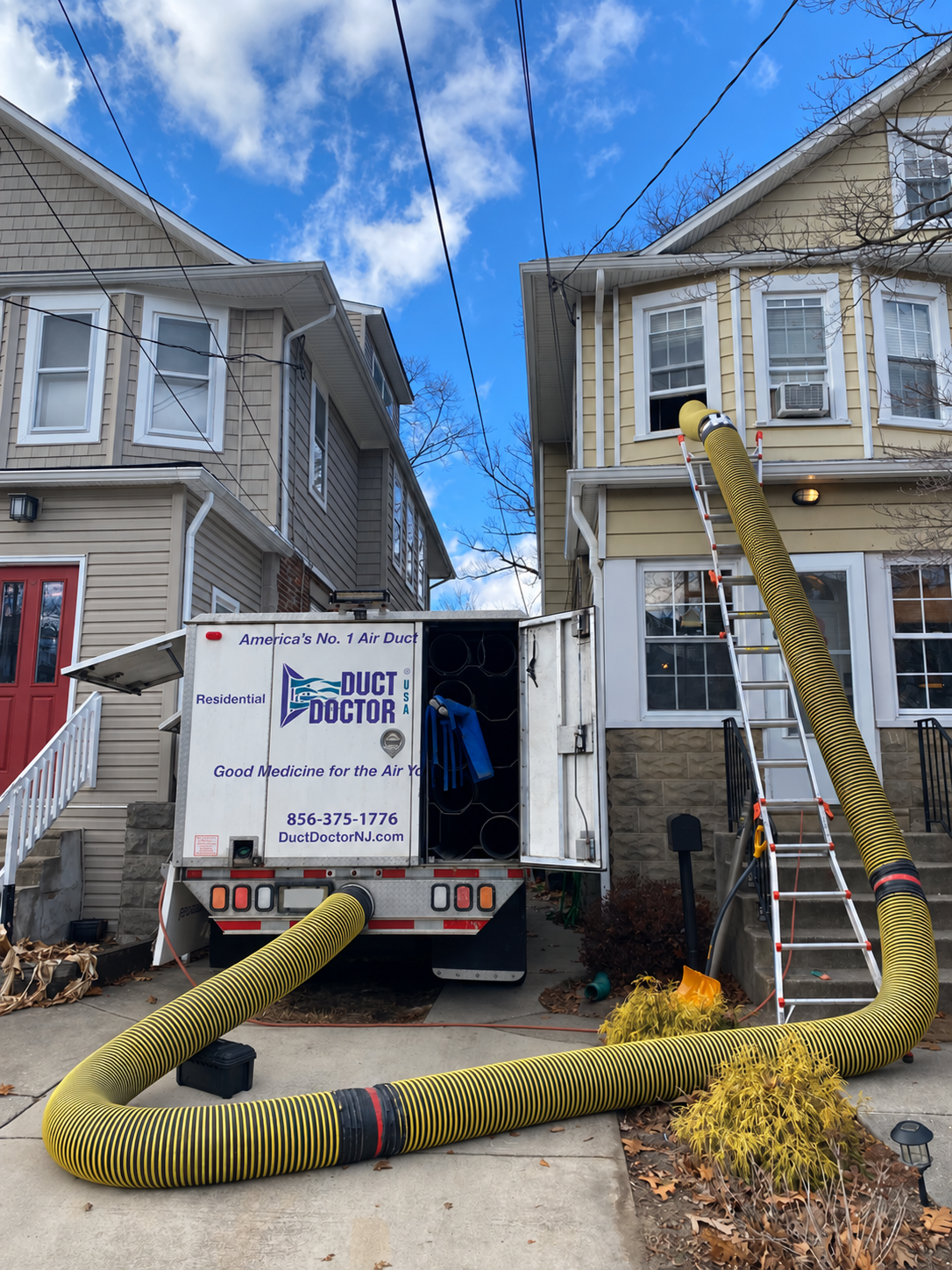
Dust, pet debris and residue from construction or smoke can accumulate inside the HVAC system. When that material is contributing to the problem, whole-home air duct cleaning removes it from the accessible supply and return ductwork using negative-pressure collection and tools suited to the system.
We explain what will be cleaned and how the crew will reach it. After the odor-producing contamination has been removed and the underlying problem addressed, an appropriate treatment may be used to neutralize residual odor. The purpose is to deal with what remains, rather than add a fragrance. Cleaning and correcting the cause come first.
Cleaning cannot repair a wet or disconnected duct.
If a return is pulling air from a crawl space, or a section has become wet or deteriorated, cleaning alone leaves the underlying problem behind. Duct Doctor also handles duct repairs, replacement and alterations. We explain what can be restored, what needs replacement and which work comes first.
That is especially useful after a leak or pest problem: the cause can be corrected, damaged materials addressed and the remaining system cleaned in a sensible order.
After mold remediation or renovation, include the HVAC system in the plan.
Once the building work is finished, it is reasonable to ask what may have entered the ducts while it was underway. Tell us what was removed, whether the heating or cooling system operated during the work and whether dust or odors remain. We can evaluate the HVAC cleaning scope and coordinate it with the other work.
Our Learning Center explains duct cleaning after mold remediation. For other questions about musty odors, smoke residue, pets and cleaning methods, read our duct-cleaning FAQs.
Let’s get that lingering odor checked.
Call Duct Doctor about your South Jersey home, or send the office a short description. Include your town, where you notice the smell and when it started. We’ll help arrange the appropriate next step and explain the proposed work and price before you commit.
Serving homes and businesses across Camden, Gloucester and Burlington counties. Find your local service page.
Office: Monday–Friday, 9 AM–5 PM. Saturday service appointments are available by advance scheduling.