
Mount Laurel Dryer Vent Cleaning: The Lint You Don't See Matters Most
The load used to be dry when the cycle ended. Now it needs another fifteen minutes, sometimes another full cycle. It is easy to blame the dryer, especially when you clean the lint screen faithfully. But the screen is only one part of the story. The exhaust duct can be collecting lint where you never see it.
We regularly clean dryer vents in Mount Laurel's townhome communities, where association requirements often make proper cleaning and documentation part of owning the home. Those requirements bring attention to a system that is easy to forget until the laundry starts taking longer.
A little lint becomes a much bigger problem
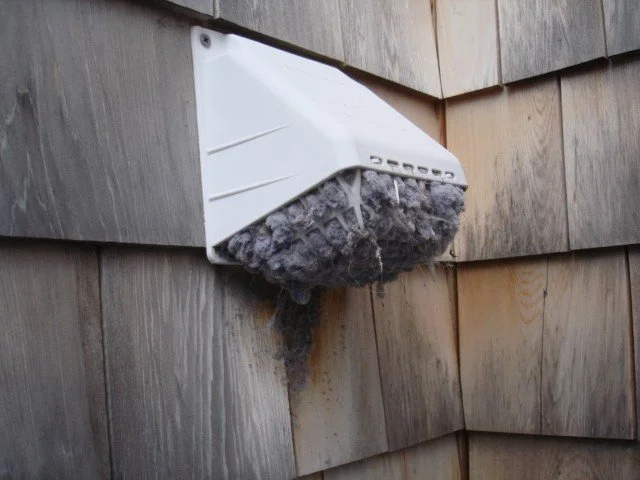
As clothing tumbles, it releases fibers. The lint screen catches much of that material, but some travels with the exhaust. Over time, deposits collect in the dryer and ductwork. Restrictions, damaged connections and a poor vent arrangement can make the situation worse.
The dryer is trying to send warm, moisture-laden air outside. As lint restricts the exhaust, drying can take longer and heat can build up. Lint is also combustible. Under the wrong conditions, that combination can lead to a dryer fire. The Consumer Product Safety Commission specifically warns that accumulated lint can obstruct airflow, cause excessive heat and result in fire.
With a gas dryer, there is more than lint at stake
A gas dryer's exhaust also carries combustion gases from its burner, including carbon dioxide and potentially carbon monoxide from incomplete combustion. That exhaust belongs outside your home, not in the laundry room. A restricted run or a leaking, disconnected duct can prevent proper exhaust removal or let those gases enter the living space.
Carbon monoxide is odorless and colorless. You cannot rely on your nose to warn you, and exposure can cause serious illness or death. An enclosed laundry room, mechanical room or basement is no place for combustion exhaust to accumulate. Fire prevention is not the only reason to keep the vent clear and its connections intact.
In my own work, I have encountered homes where clients reported feeling ill without knowing why, and we found dryer combustion exhaust getting back into their laundry rooms. That experience is why I take proper outdoor venting seriously: we need to get the moisture, lint and combustion gases out of the house.
Keep working carbon monoxide alarms in your home. If an alarm sounds or you suspect exposure, get everyone outside immediately and call 911 from outside. Do not wait for a cleaning appointment or run the dryer again to test it.
Getting lint out without creating another problem
A brush on a pole driven by a drill can look like a simple answer. But forcing a rotating brush through bends and vulnerable connections can damage or separate ductwork, or push lint into a compacted blockage. A vent hidden inside a wall is a poor place to discover that the cleaning created a repair.
A leaf blower is not a dryer-vent cleaning tool, either. Do not use one for this job. Even when some lint blows out, material can remain attached inside the run. Loose lint can pile up at an elbow and turn a partial restriction into a full blockage. Blowing against a restriction can also separate weak connections or damage vulnerable ductwork, leaving you with a repair or replacement instead of a properly cleaned vent.
That is why Duct Doctor uses specialized air tools for dryer-duct cleaning, not drill-driven rotary brushes. We choose the access and tool arrangement for the actual run, dislodge the buildup and remove it without forcing a rotating brush through the duct. Thorough cleaning and care for the installation belong together.
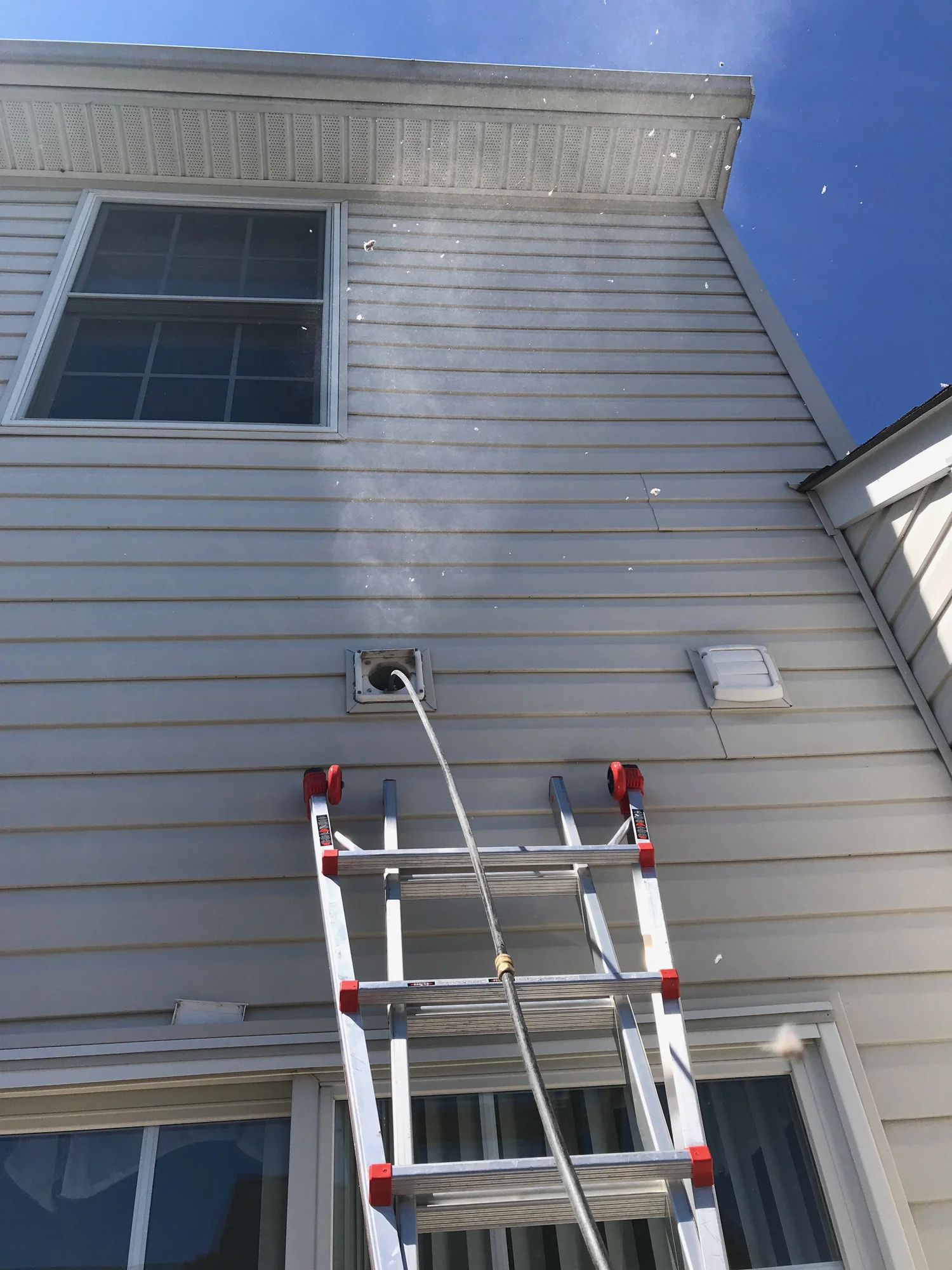
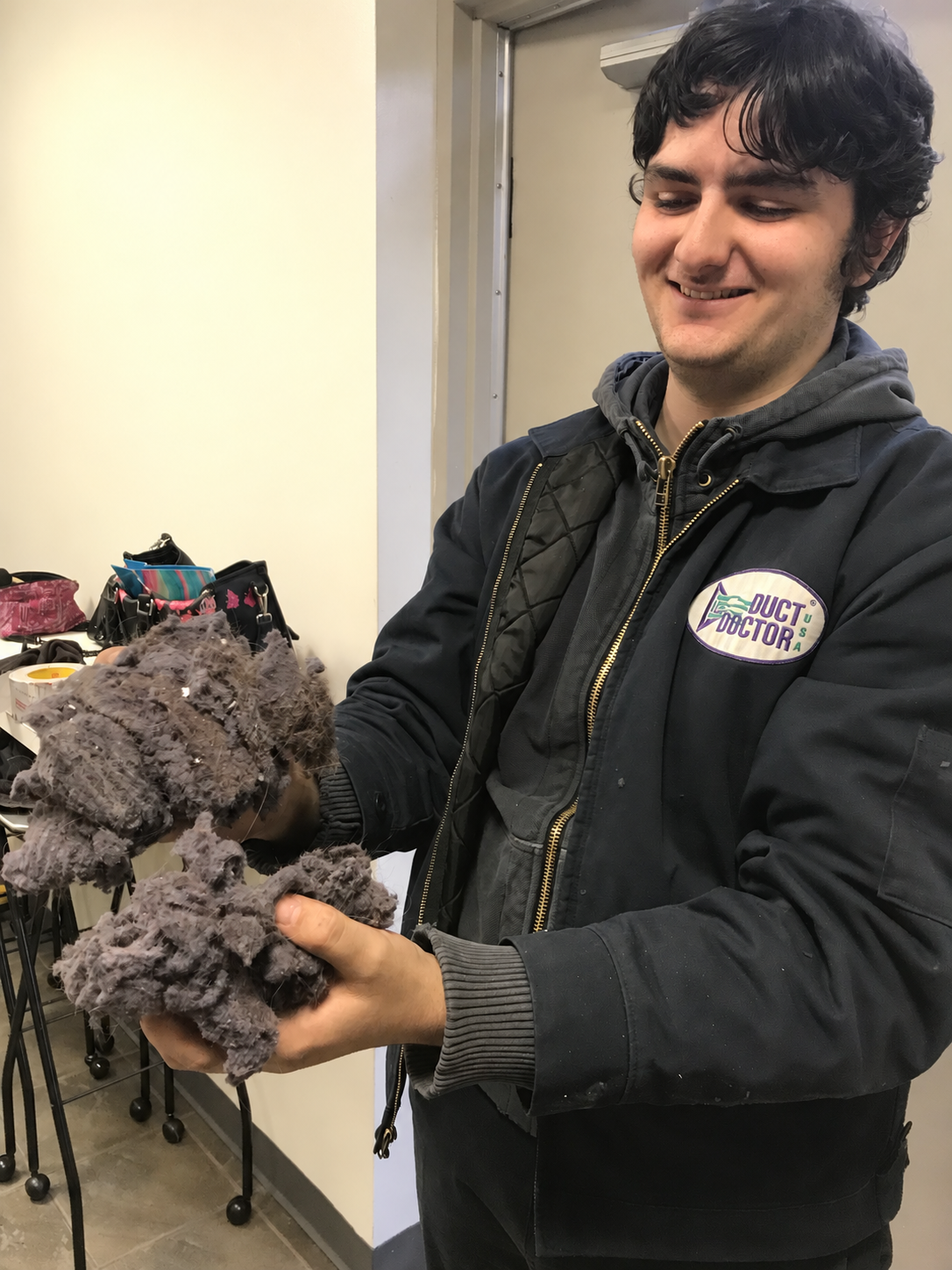
Our residential service addresses the vent run and accessible lint-collecting areas of the dryer, and includes a safety check and volumetric airflow analysis. We are not simply removing the clump outside and calling the job finished.
Sometimes the answer includes repairing the run
Cleaning cannot straighten a crushed section or reconnect a separated duct. Many minor connection and vent-run repairs are included in our residential service, along with replacement of up to four feet of transition duct when needed.
When the problem goes further, we can repair the dryer exhaust run or design, fabricate and install a new one. That gives you a company that can address both the buildup and the installation behind it. We explain additional work before proceeding.
Better drying starts in the washer
Before blaming the dryer, look at what is coming out of the washer. An overloaded or unbalanced washer may not spin water out effectively, sending an unnecessarily wet load into the dryer. That extra water means more drying time, more energy and more work for the appliance. Repeated overloading also puts avoidable strain on the washer.
That extra moisture also matters inside the vent. The exhaust carries air, water vapor and lint toward the outdoors. When it cools enough for moisture to condense, the lint becomes wet and sticks to the duct walls instead of traveling out. Excess moisture feeds that wet-lint buildup, helping a restriction develop faster. Overloading and poor water extraction can leave you dealing with problems in both appliances, along with a dryer vent that needs cleaning sooner.
Load laundry loosely rather than packing the tub to the top, and follow your machine's instructions for the fabric and load size. Bulky bedding and towels deserve particular care. Use the highest spin speed permitted for the fabrics and the selected cycle so the washer removes as much water as practical before drying.
Give the dryer room to tumble, too. About half a drum is a useful starting point for an ordinary medium load; your model's instructions determine the appropriate capacity. Separate and untangle items rather than transferring a tightly packed bundle. The clothes need space for air to move through them and carry moisture out through the exhaust.
Good laundry habits and a clean exhaust system work together. If loads stay unusually wet after washing or take much longer to dry, address the cause instead of repeatedly adding another cycle. Keep the lint screen clean for every load, and have the vent checked when drying performance changes.
Proper service, with the documentation you need
When your HOA or fire marshal requires certification, we provide it to confirm that the cleaning was properly completed by our professional, insured company. Tell our office what your association requires when you schedule. We do this regularly and can plan the service and documentation together.
Once a year is the typical cleaning interval. If a normal load starts taking fifteen minutes or more longer than it did after your last cleaning, or something else seems wrong, do not wait for the next annual reminder. Tell us what you are noticing so the crew knows where to focus.
Get your Mount Laurel dryer vent cleaned and documented
If your annual cleaning is due or your association has sent its reminder, arrange the appointment now. Let us know about drying delays, access concerns and any certification requirement. We will help you get the service completed and the paperwork in hand.
See what our dryer service includes, then call (856) 375-1776 or request service. Office hours: Monday-Friday, 9:00 AM-5:00 PM.
About the Author
Anthony J. Micale III owns and operates Duct Doctor of Southern New Jersey. He holds Air Systems Cleaning Specialist (ASCS) and Ventilation System Mold Remediator (VSMR) credentials through NADCA and has personally inspected and cleaned thousands of residential and commercial HVAC systems. His articles draw on that field experience to explain source-removal duct cleaning, dryer-vent service and HVAC-system hygiene. Duct Doctor is a locally owned, fully insured and bonded NADCA member company based in Cherry Hill, New Jersey.
Further reading: Consumer Product Safety Commission: Overheated Clothes Dryers Can Cause Fires.
Gas-dryer safety: CDC: carbon monoxide poisoning.